
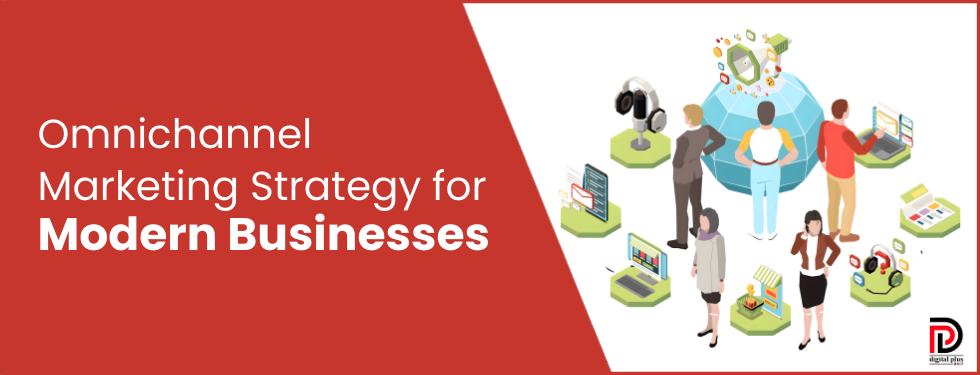
That’s where omnichannel marketing strategy becomes important.
Modern businesses must deliver a smooth and connected experience across every platform. When all marketing channels work together, customers feel valued, understood, and more confident in choosing your brand.
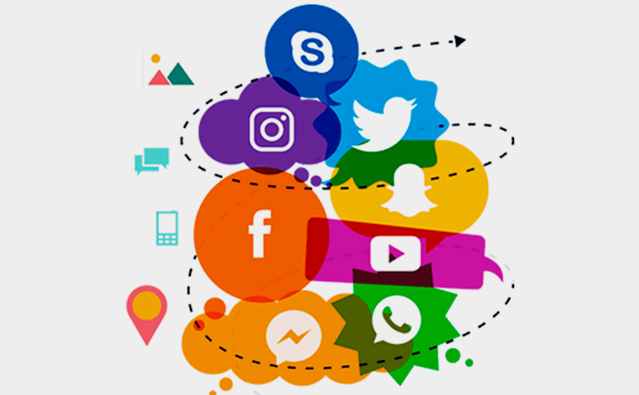
What Is Omnichannel Marketing?
Instead of treating each platform separately, omnichannel marketing ensures everything works together seamlessly.
For example:
A customer sees your ad on Instagram → visits your website → receives a follow-up email → gets support on WhatsApp → and finally makes a purchase.
All without confusion or repeated messages.
Why Is Omnichannel Marketing Important for Modern Businesses?
An effective omnichannel marketing strategy helps businesses:
- Improve customer experiencec
- Increase conversions
- Build stronger brand trust
- Retain customers longer
That’s why omnichannel marketing is no longer optional — it’s essential for business growth.
5 Key Elements of an Omnichannel Marketing Strategyt
Maintain Consistent Brand Messaging Everywhere
Consistency builds trust and helps customers instantly recognise your brand, no matter where they interact with you.
Understand the Customer Journey
By tracking and understanding this journey, businesses can deliver the right message at the right time — improving engagement and conversions.

Use Data to Personalise Communication
Personalisation is the heart of omnichannel marketing.
Using customer data helps you:
- Send relevant emails
- Show personalised ads
- Recommend suitable products
- Improve repeat purchases
Customers respond better when they feel the message is made for them.

Integrate All Marketing Channels
Your CRM, website, social platforms, email marketing, paid ads, and customer support must be connected.
This allows smooth communication and better customer tracking across platforms.
Focus on Customer Experience, Not Just Sales
When customers enjoy interacting with your brand across all platforms, they naturally become loyal and repeat buyers.
A strong omnichannel approach focuses on long-term relationships, not just short-term conversions.
Final Verdict
When your messaging is consistent, your channels are integrated, and your communication is personalised, customers feel confident choosing your brand.
In a competitive digital market, businesses that invest in omnichannel marketing gain stronger trust, higher engagement, and sustainable long-term growth.
At Digital Plus 24×7, we help brands design smart omnichannel strategies that connect platforms, improve customer experience, and drive real business results.
Ready to elevate your brand? Partner with us to create a website that truly represents your business and drives measurable results. Contact us now at 9871159982 or email info@digitalplus24x7.in to discover more and let’s create something amazing together.